


Celebrating our newest WOL Coach: Claudia Schmidtke
With her fascinating background, deep experience, and training as a Clifton Strengths Coach, Claudia brings a wide range of skills to our WOL Coach community.
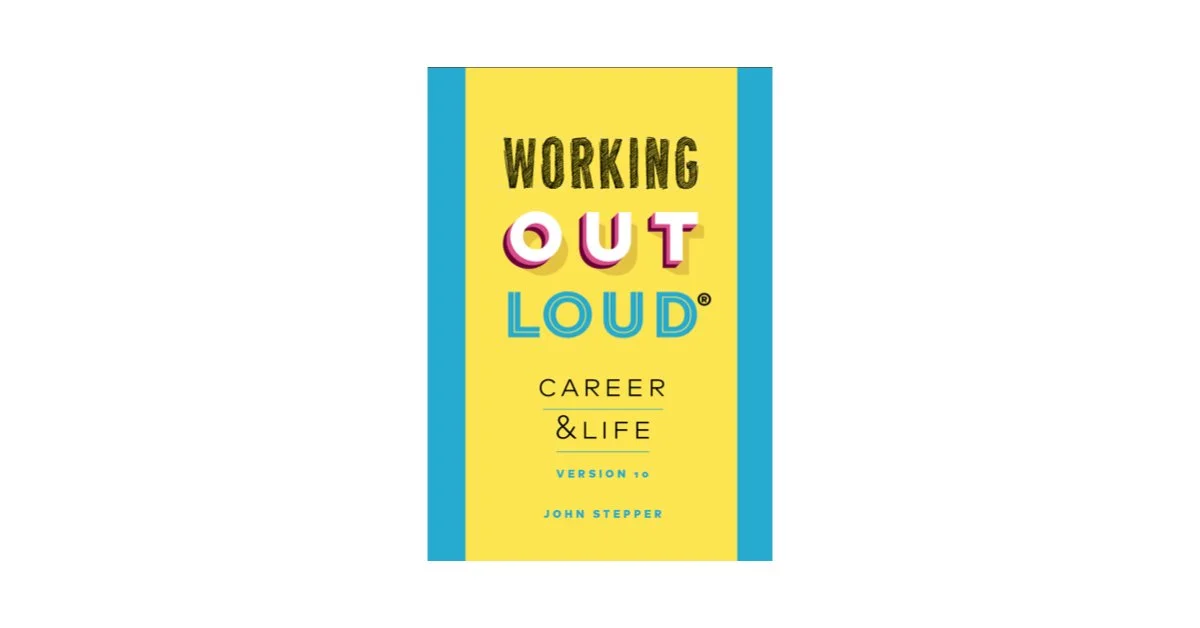
Version 10 of the original WOL method: WOL Career & Life
The biggest change to the original Working Out Loud method in 10 years.
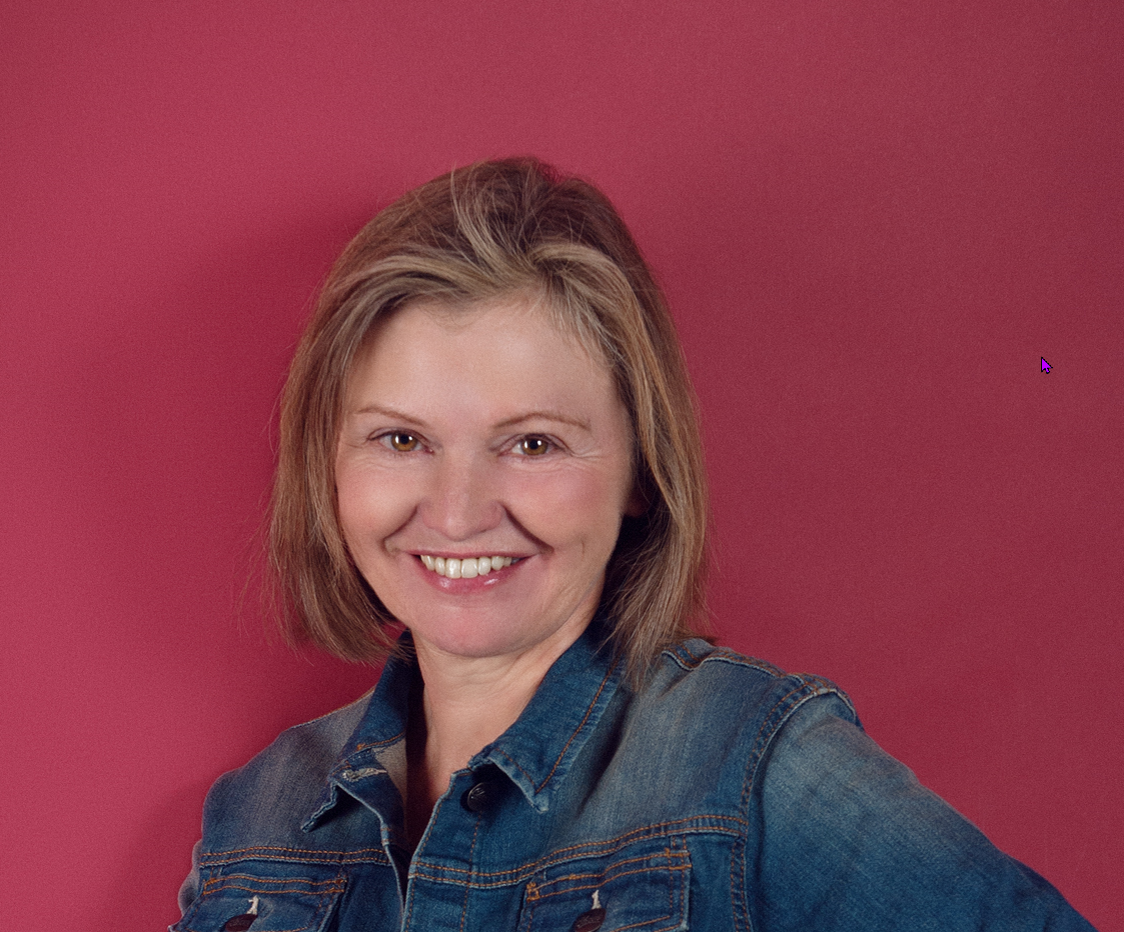
Celebrating our newest WOL Coach: Monika Rieck
With openness, experience, and a holistic perspective, Monika supports people in strengthening their health, unlocking their potential, building meaningful networks, and achieving their personal and professional goals with greater clarity and confidence.
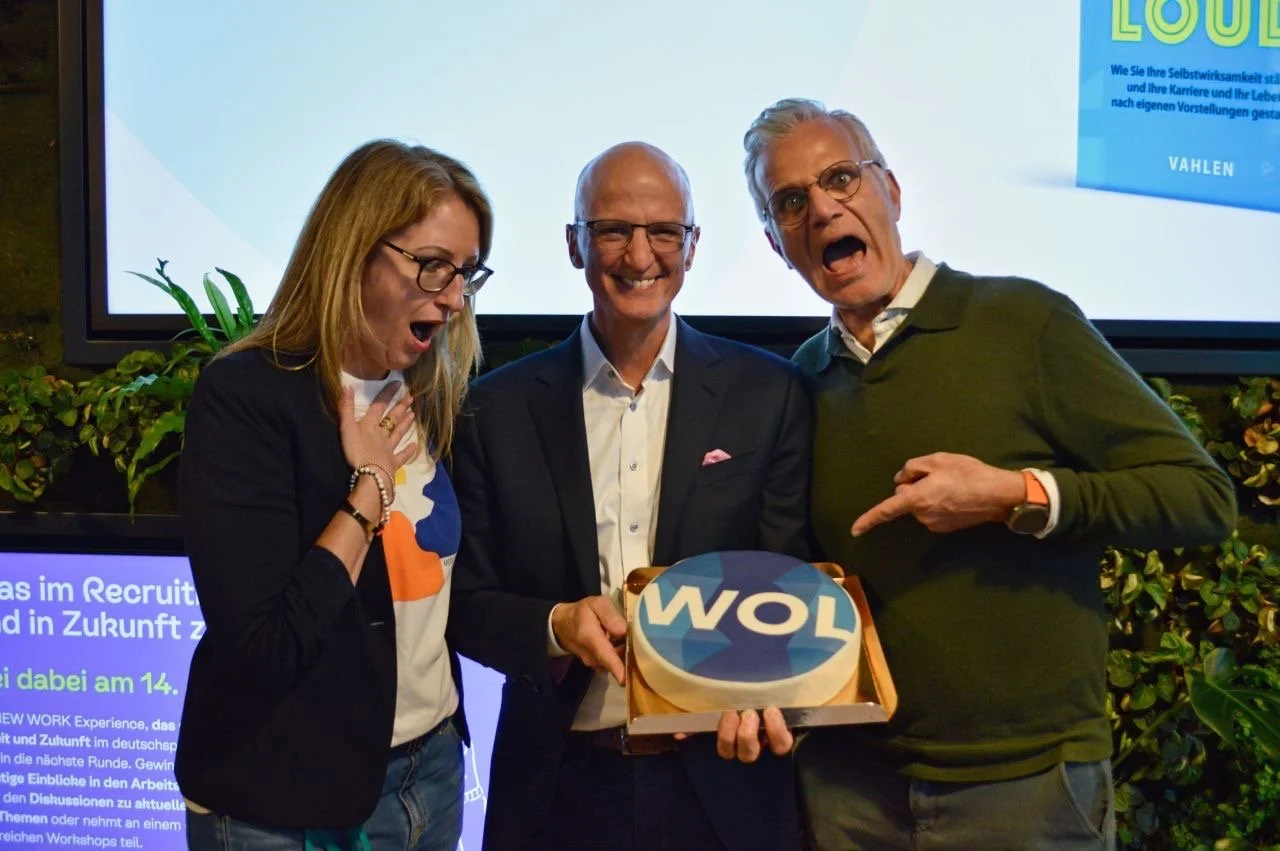
Ten years of Working Out Loud: What changed. What remains. What’s next.
In an increasingly harsh, disconnected world, my aim now is to help people find fulfillment and belonging through social learning.
WOL is my way of doing that.
Here’s to the next ten years. Together.
WOL Pattern #3: From Layoff to Next Chapter
When I was laid off, I was prepared for the restructuring, but not the isolation and loss of identity.
A WOL Career & Life Circle can be, as one person describes it, “a lifeboat in a sea of change.”
It gives newly liberated employees the structure, shared accountability, and support they during an unstructured, unsettling, lonely time.
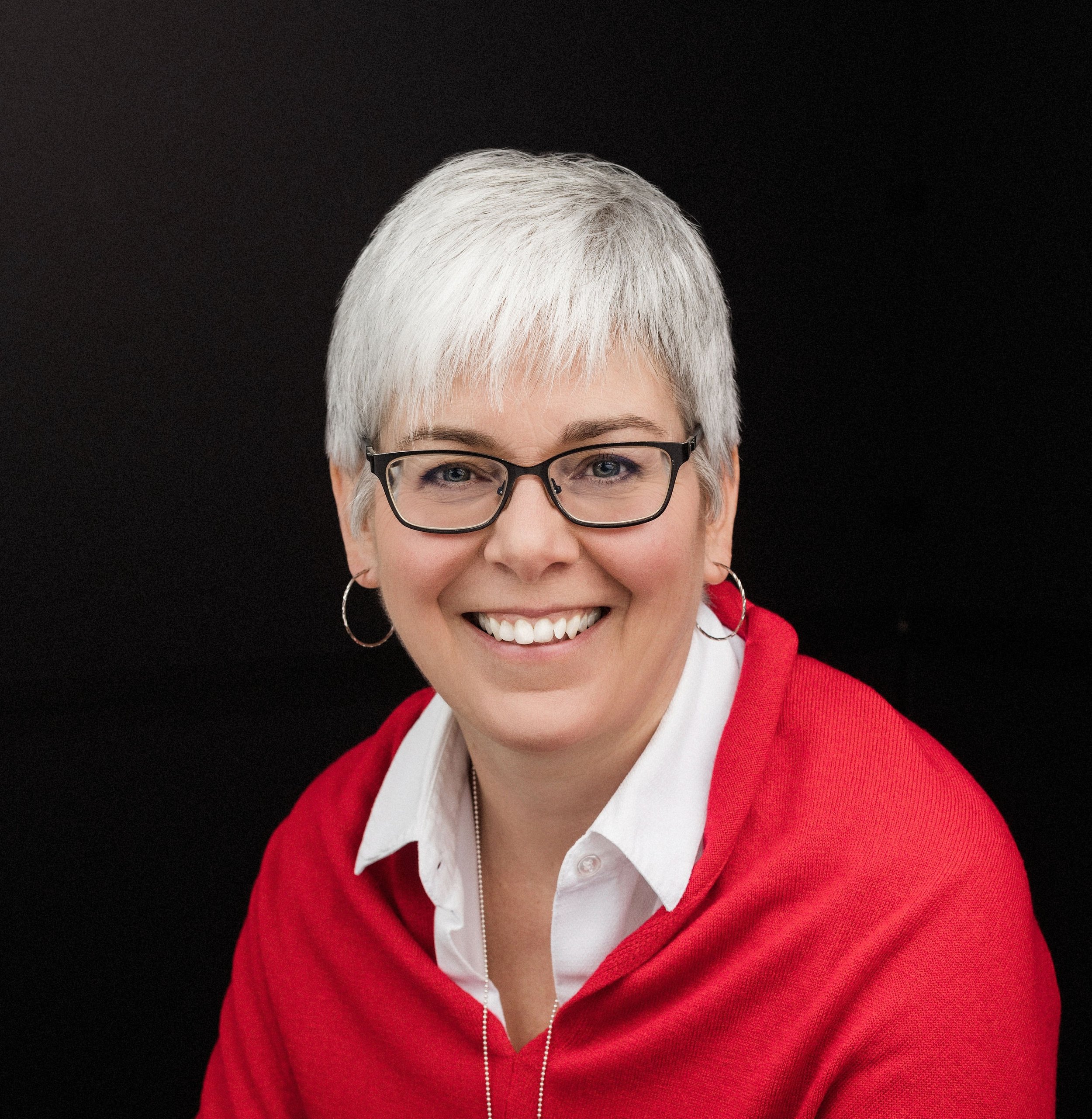
Celebrating our newest WOL Coach: Stacey Roques
Our first Coach in Canada!
Stacey has a rare combination of being a healthcare professional as well as certified by the International Coaching Federation.
As a WOL Coach, she’ll help healthcare professionals develop and connect, because “more supported leaders = better care = better health for all.”
The Human Advantage: Bertelsmann University’s innovative approach to building trusting relationships at work
The need for meaningful relationships at work is clear. But most employees feel they don’t have enough of them.
Gallup reports one in five employees report experiencing loneliness “a lot.” And loneliness, in addition to affecting productivity, is about as bad for your health as smoking 15 cigarettes a day.
A team from Bertelsmann University had an idea for a new program that could help.
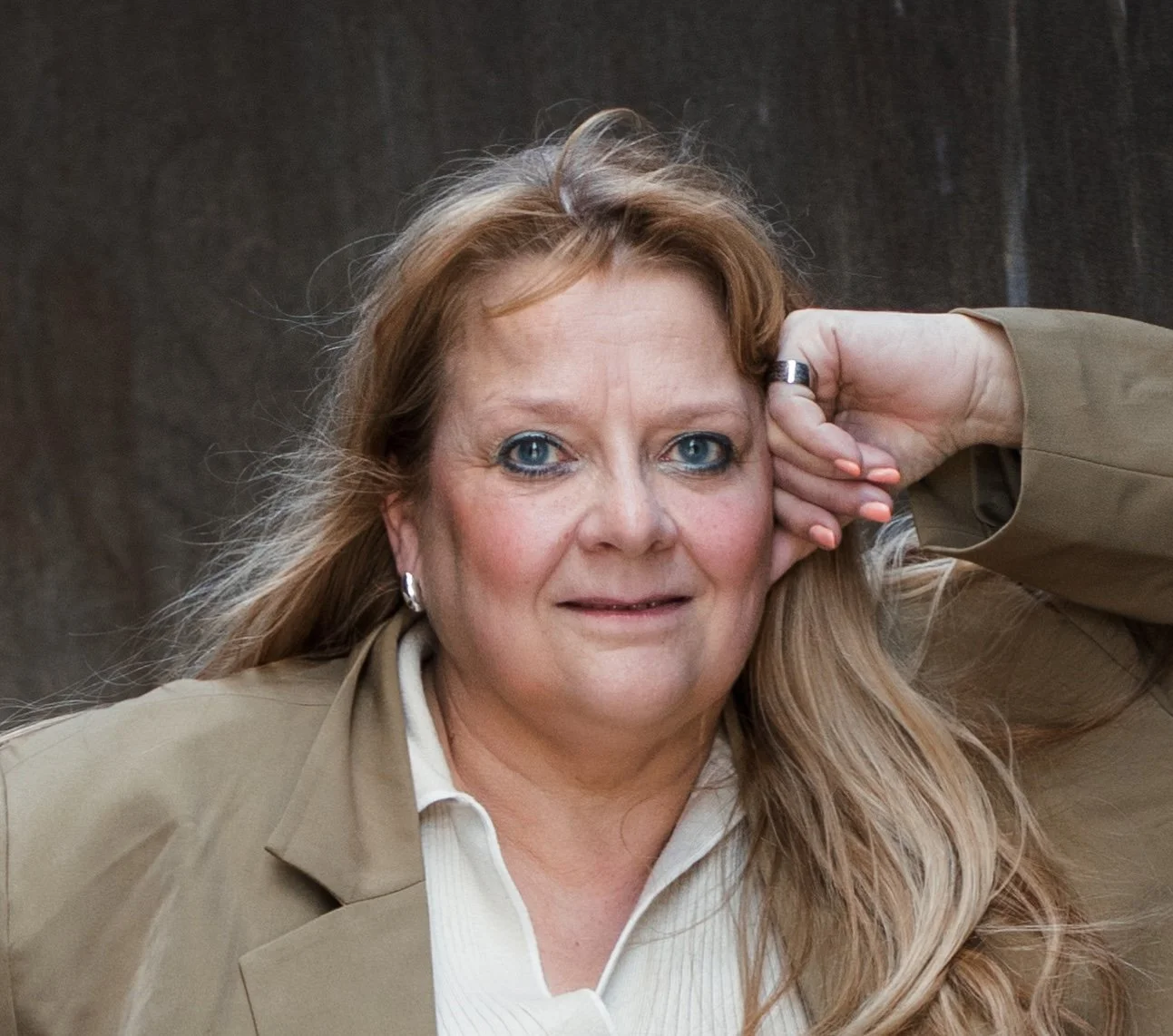
Celebrating our newest WOL Coach: Petra Bücher
Petra’s experience with her Circle is what inspired her to become a Coach and “pass it on.”
And she has a clarity of vision about exactly who she wants to help with it.
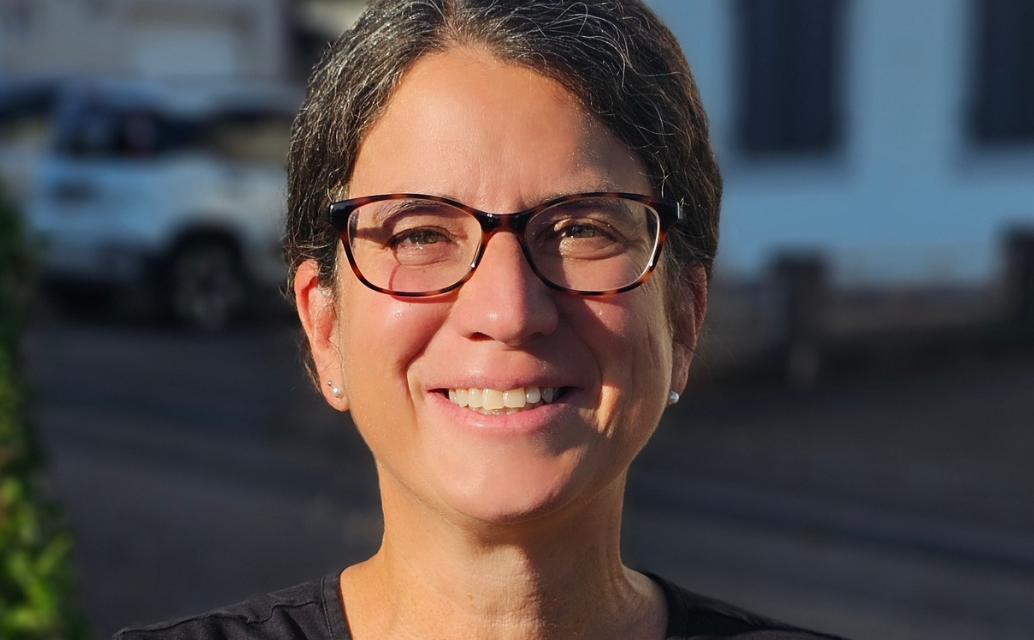
Celebrating our newest WOL Coach: Iris Quint
Our first Coach in France!
The word I use to describe Iris is “soulful.” It’s strange word to describe someone who works in a bank as an internal auditor.
But it reflects her caring about people, how they thrive as individuals and also how they relate to each other.
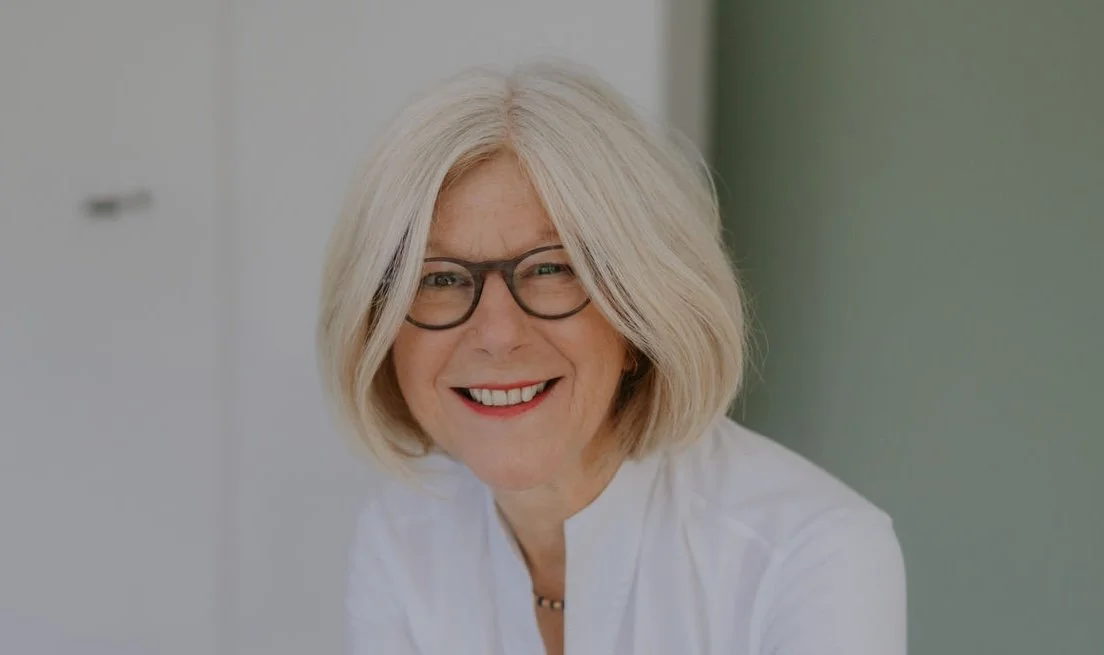
Meet our newest WOL Coach: Britta Trompeter
Britta first experienced WOL in 2018 and the impact, she says, “has stayed with me ever since.”
As she writes in her profile:
“The WOL spirit runs through everything she does today: bringing people together, moving forward in deliberate steps until change stops being a plan and becomes reality.”

“Ma, why are you speaking Italian in New York?”
An unexpefcted lesson in Working Out Loud.
This was way before social media. Her mother wasn’t trying to be “visible.”
She was just giving voice, literally, to something she cared about: her culture.
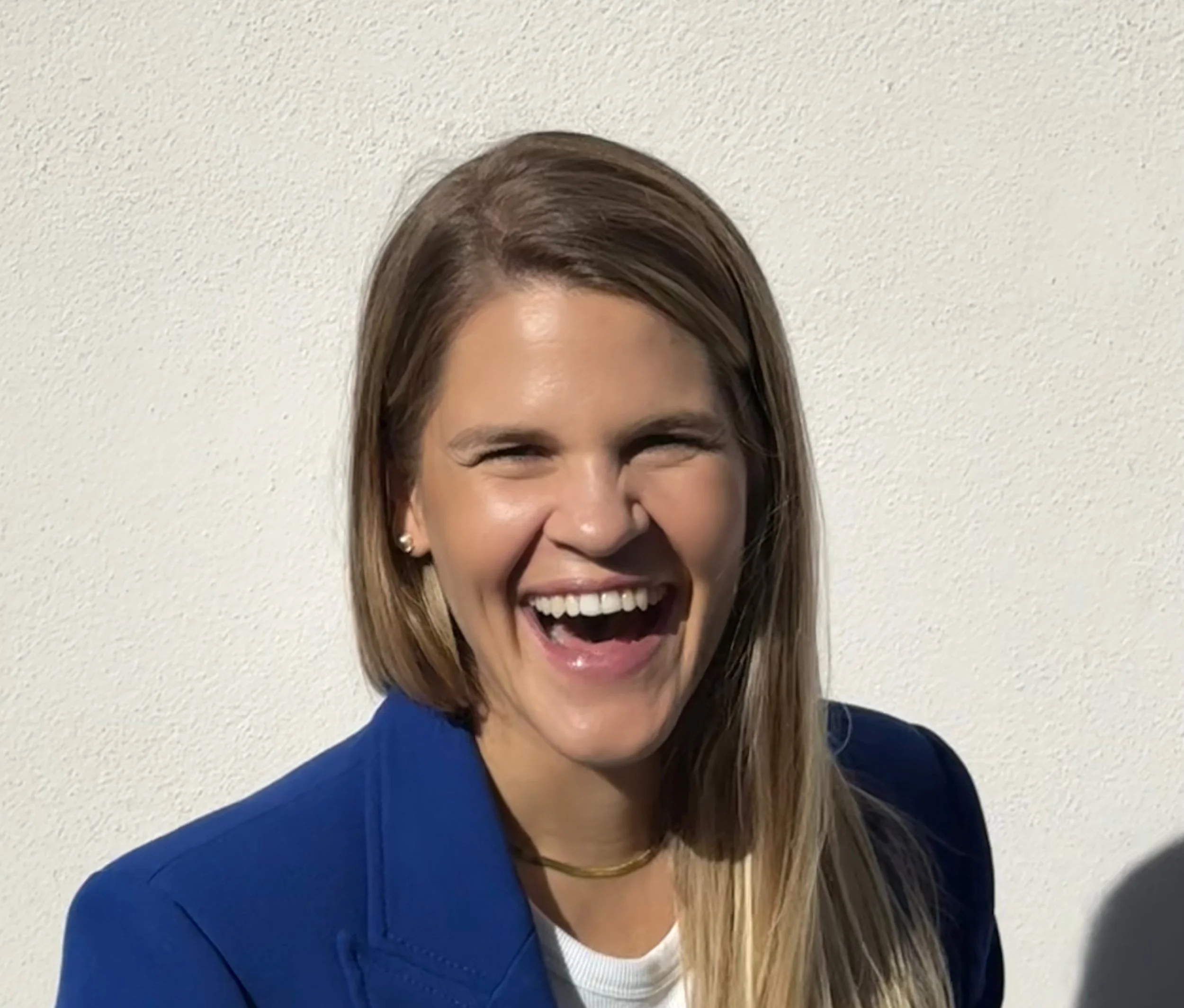
Meet our newest WOL Coach: Carolin Wesche
Carolin is unique in our community of 41 Coaches.
One reason is her work combines “somatic, scientifically grounded methods with professional experience to help her clients overcome emotional blocks.”
Another, even more charming reason, is her laugh. (“Not executive quiet,” she writes.)
WOL Pattern #2: From Event to Community
What’s the number one reason people attend conferences Networking.
But for most events the connecting stops as soon as the event ends.
Here’s a simple way to continue the networking and learning long after the event ends.
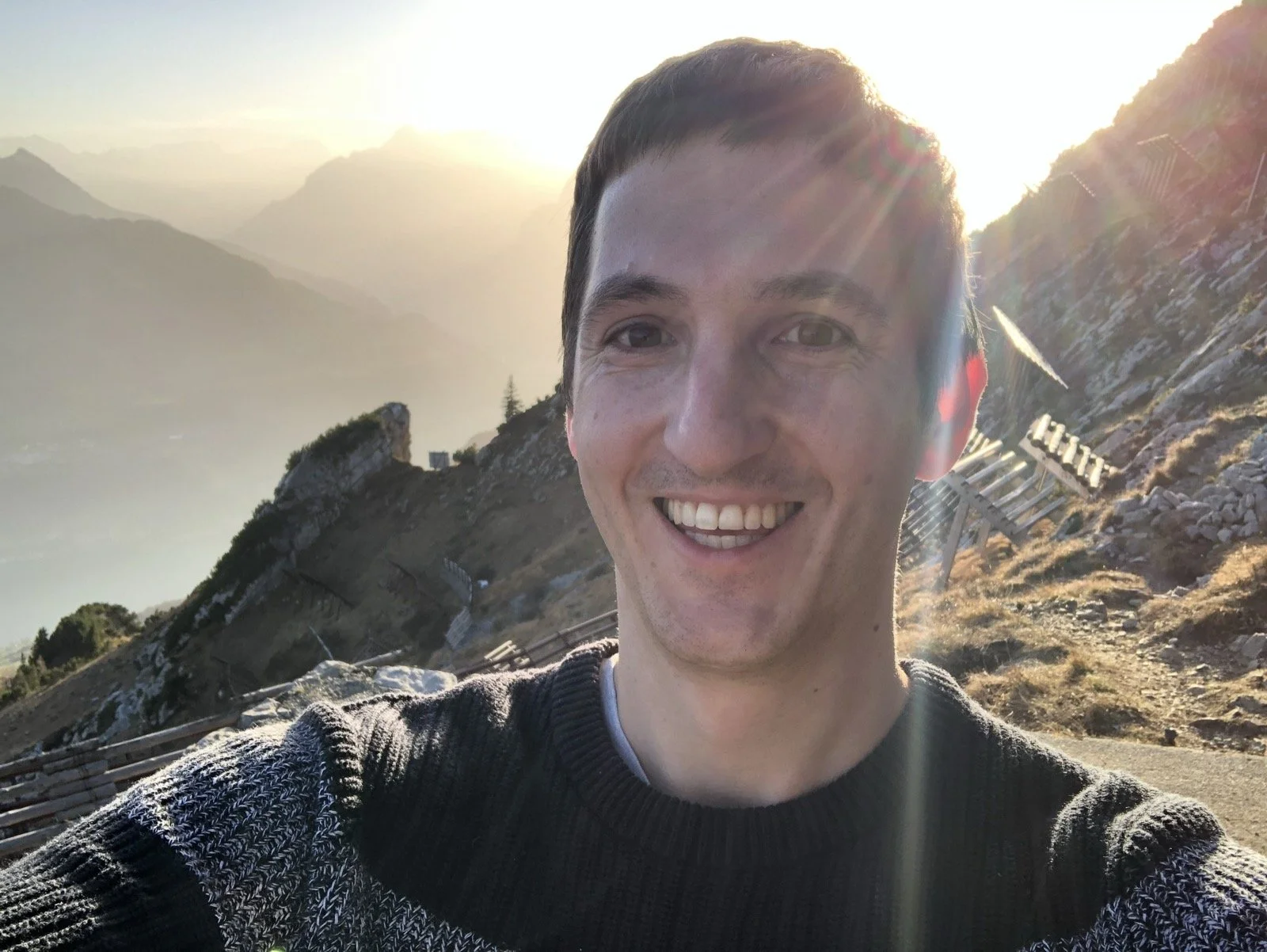
Meet our newest WOL Coach: Robin Leins
Robin has a wonderful combination of intelligence, creativity, and humor.
His approach with teams and leaders is not theoretical but practical and human. His company name, Handfest (or “hands on”), embodies this.
He has exactly the right temperament and attitude for a WOL Coach.
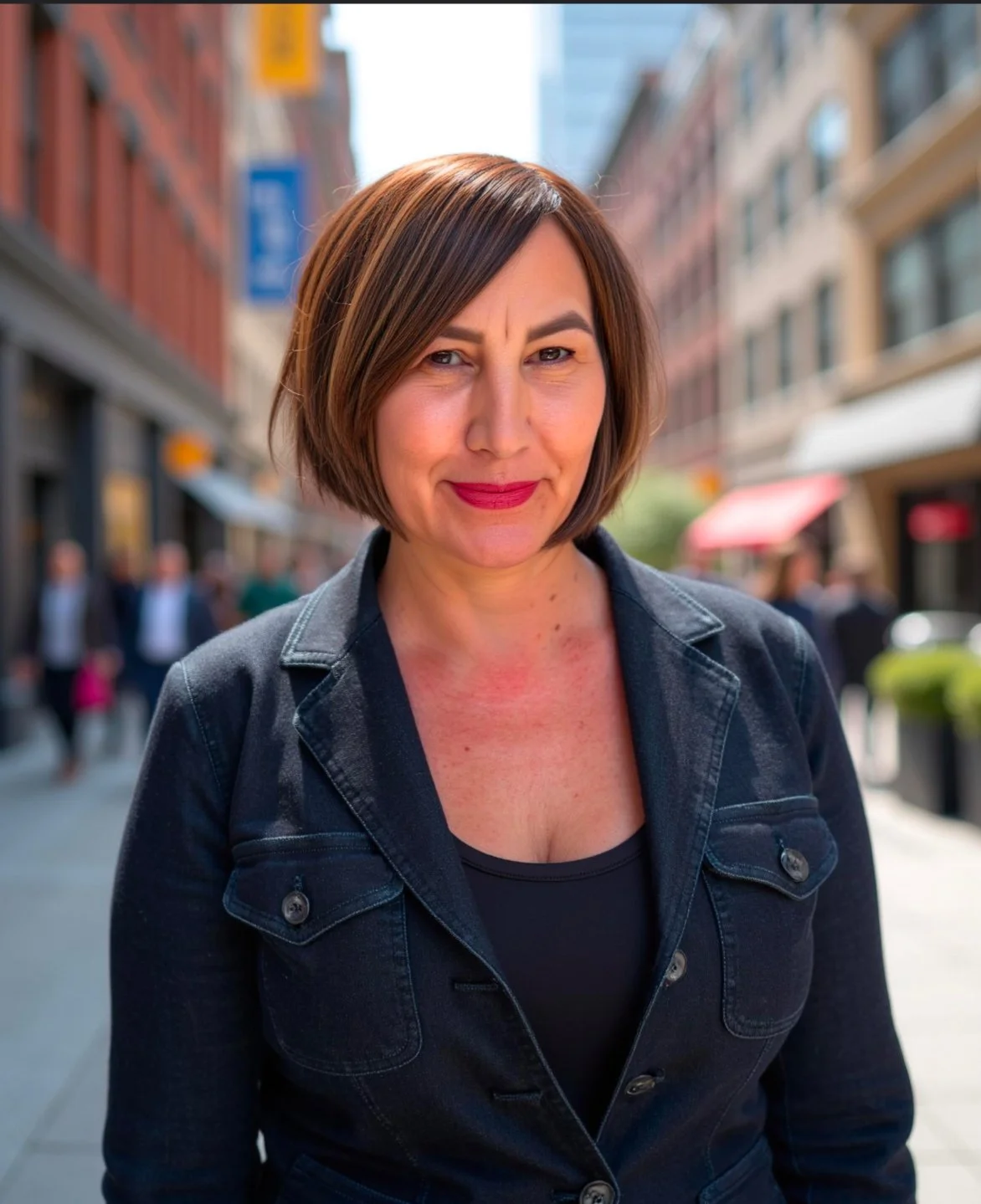
Meet our newest WOL Coach: Colleen Soppelsa
You will not find a more supportive, encouraging, generous person than Colleen Soppelsa.
Her approach is systematic and rigorous and also profoundly human.
“Because meaningful transformation is not something we ‘roll out.’
It is something we build together — visibly, continuously, and one relationship at a time.”
WOL Pattern #1: Coaches Connecting Their Clients
Usually, once coaching ends, so does the relationship.
But it doesn't have to.
Each WOL pattern describes a situation where WOL can be especially useful, along with examples from coaches, organizations, and communities.
Here’s the first one.
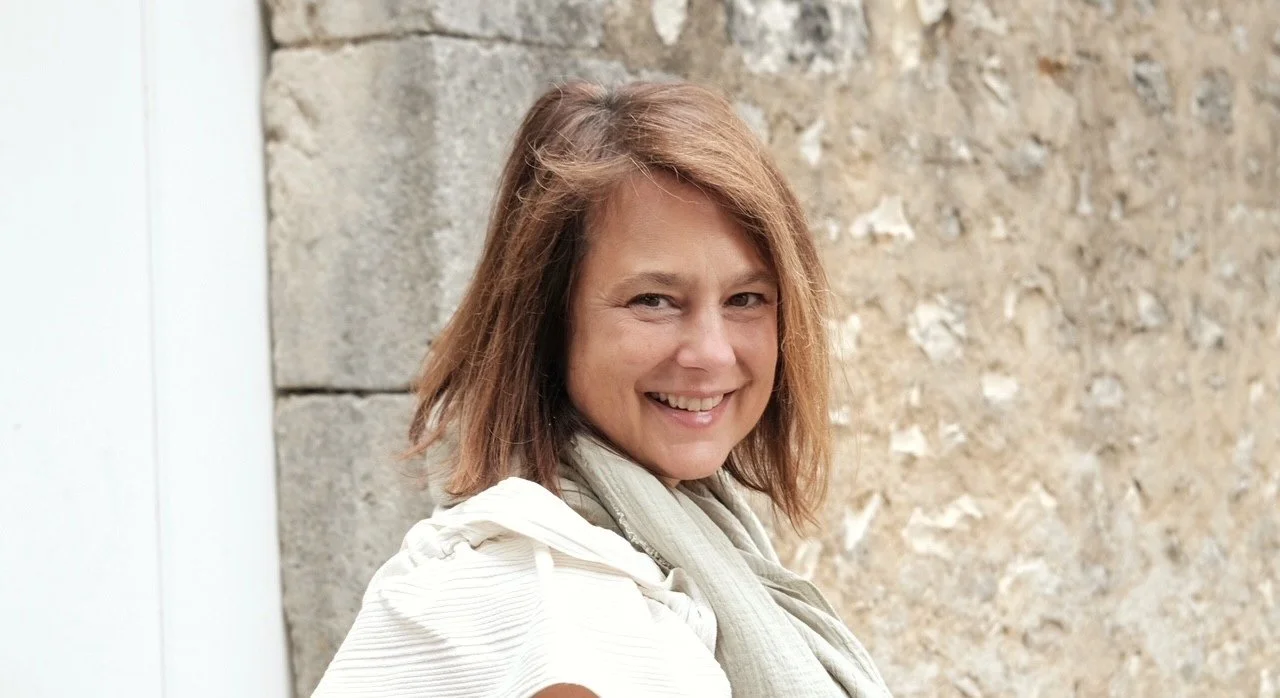
Meet our newest WOL Coach: Katja Keufner
Katja is one of those rare people who can make you feel good and work better in just one phone call. I can see why she is an excellent Coach!
I am thrilled Katja will bring her Clifton Strengths experience to our Coach community. I can’t wait to see what she does with WOL!
“hopepunk is the opposite of grimdark. Pass it on.’”
Hope is a spark.
It’s a vision, even a glimmer, of a better future that motivates us to act. It’s what drives us to get back up when we stumble. Again and again if need be.
A new podcast w/ Mayte Schomburg helped me realize this.
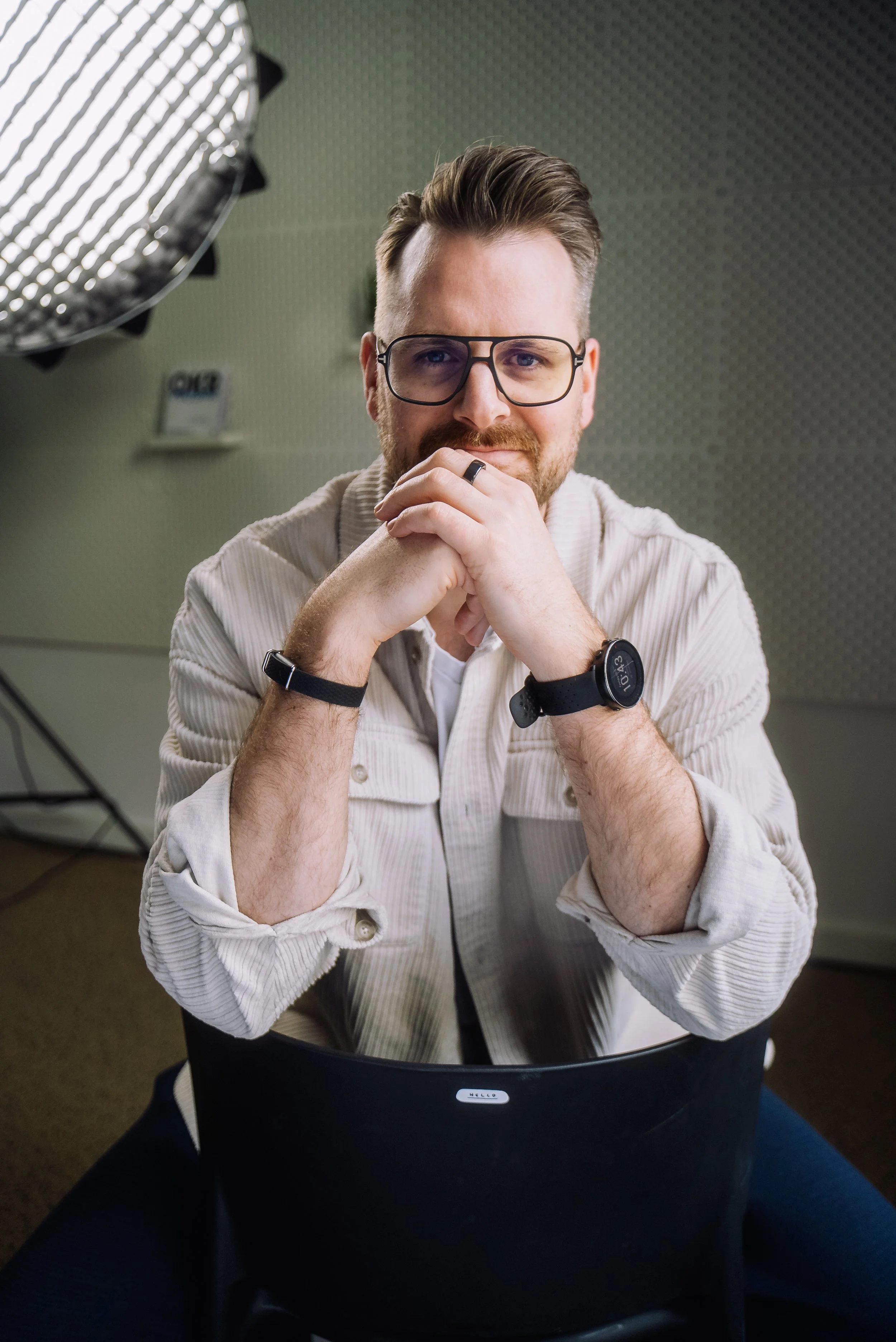
Meet our newest WOL Coach: David Hillmer
David has been in different kinds of WOL Circles over the years and is convinced that WOL “has far more potential” to reach more people and make a much bigger difference in the workplace and in the world.
I’m excited about the possibility of working with him and his professional training and consulting company, HelloAgile, to take WOL to new heights together.

Meet our newest WOL Coach: Christian Böhmer
Chris sharp intellect is matched only by his passion for helping people grow and connect.
In his words, he “wants people to live happy lives within a strong community” and envisions WOL being part of making that happen.
He will be a fantastic WOL Coach!