
About Working Out Loud
Peer development practices that help people accomplish goals, develop skills, and build meaningful relationships.
Working Out Loud began with a personal need.
My career had stalled, and work became unsatisfying.
I felt there was more I could offer (and more my company had to offer me) but I didn’t quite know what to do. I wasn’t in a position to quit, and I didn’t know where I would go if I did.
What helped wasn’t any particular advice or transformation. It was taking small steps: sharing what I was working on, reaching out to others, and making small contributions that might be useful.
Those contributions led to new connections and, over time, to new collaborations, new opportunities, and trusted relationships. I became more confident and happier.
It felt so empowering that I wanted to help others experience it too. What began as a personal exploration gradually became a set of peer learning practices that people could use anywhere.
That work became Working Out Loud. Today, it’s used by people in organizations, communities, and nonprofits who want growth and learning to feel more human and more connected.

John Stepper
Founder, Working Out Loud
john.stepper@workingoutloud.com
What’s WOL?
Working Out Loud is a set of peer learning practices that help people make progress on goals, develop skills, and build relationships—together.
Instead of working in isolation or relying on formal training, people learn with a small group of peers. They take small steps over time, share what they’re learning, and support one another in a confidential, psychologically safe space.
At the heart of Working Out Loud is a simple shift:
from trying to get something from others to making contributions that are useful, visible, and generous.
Those contributions, shared over time, lead to trust, stronger relationships, and new possibilities for collaboration and growth.
WOL Circles around the world
Why Working Out Loud works.
With more than 50,000 people using Working Out Loud methods across companies, communities, and nonprofits, we have evidence that peer development leads to lasting, meaningful change.
When people learn and grow together over time, it can fundamentally change how they relate to one another—and to themselves—by helping them achieve goals, develop skills, and build meaningful relationships. Together.
My mission is to spread this positive change, making work and life better for individuals and organizations.
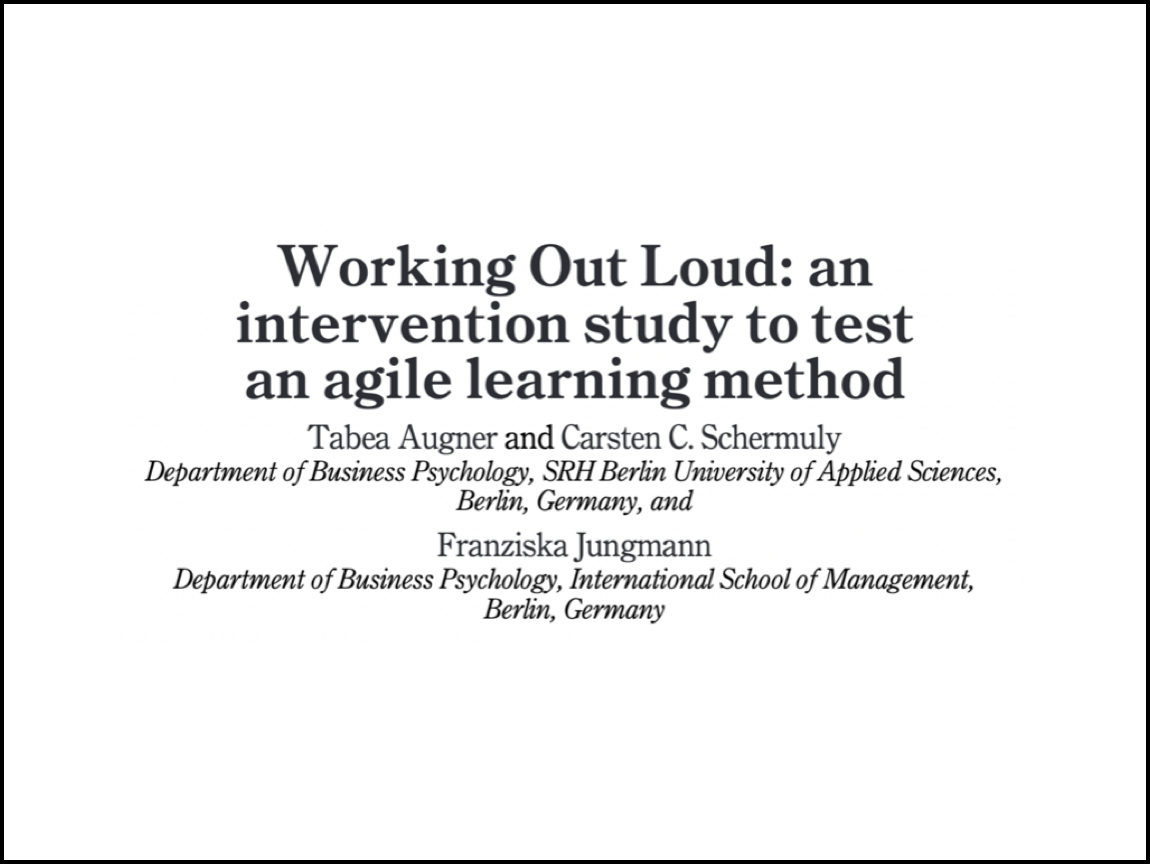
Peer-reviewed research showing sustained increases in psychological empowerment.
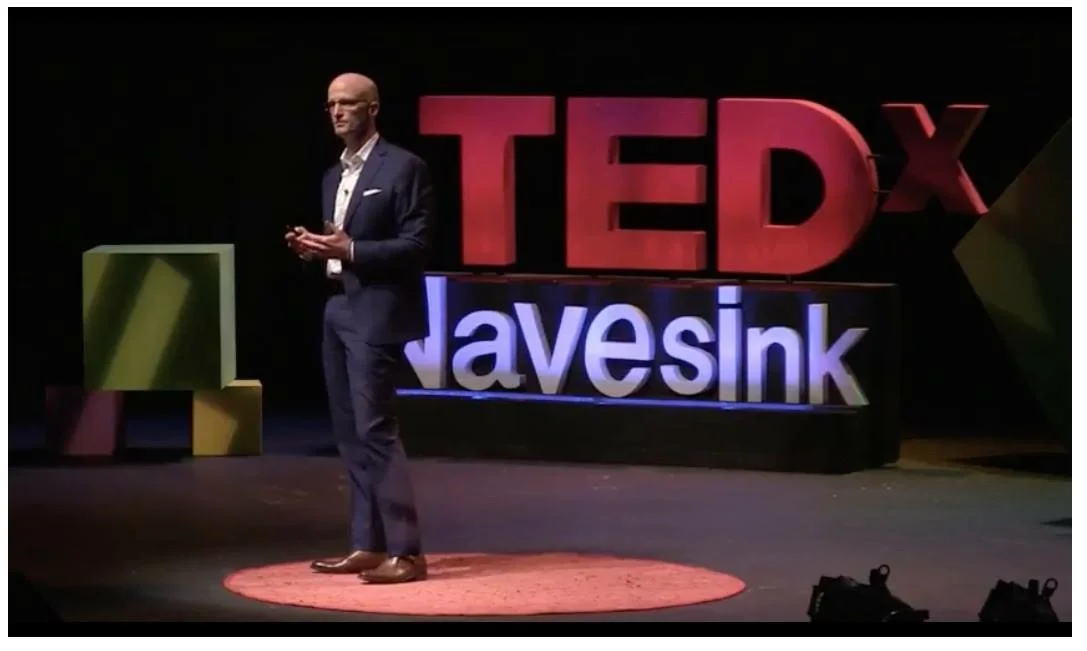
This TEDx talk marked an early moment in the spread of Working Out Loud. I was so nervous that day. Yet what began as a personal experiment has since grown into a family of peer development methods used by more than 50,000 people in over 70 countries.
The book
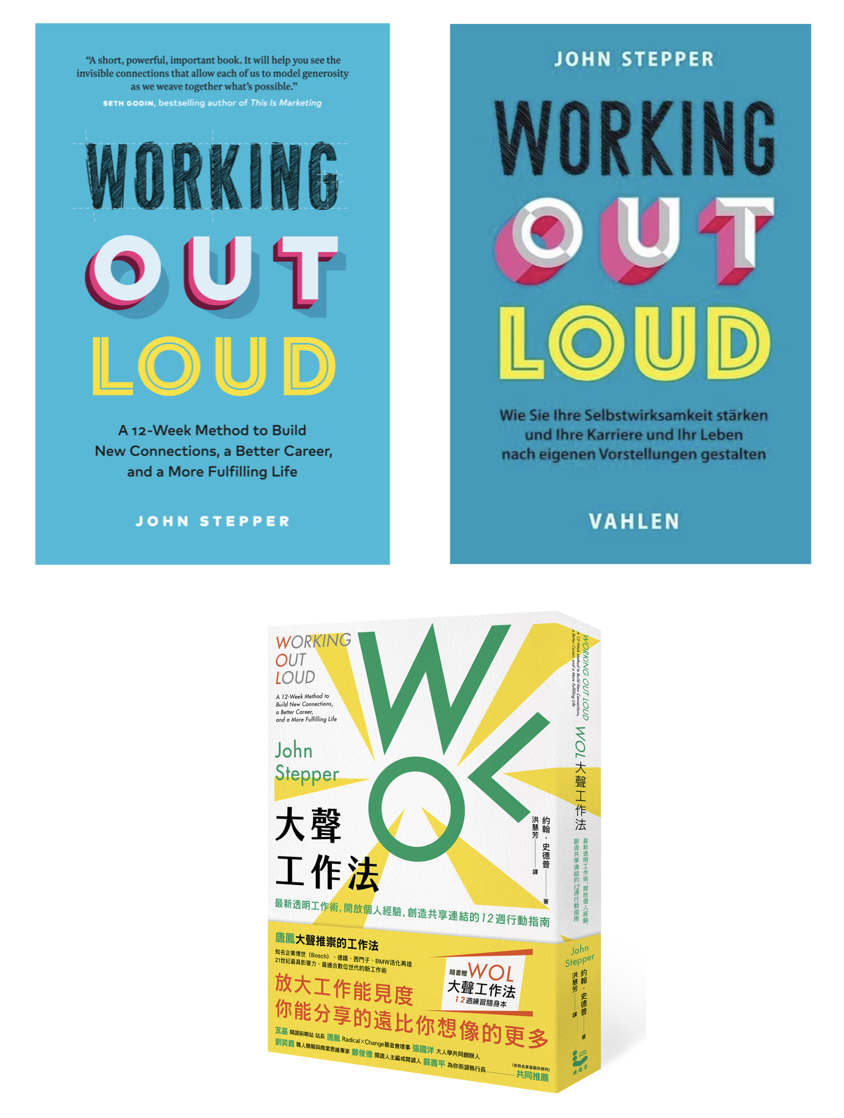
Working Out Loud is a good place to start if you’re new to WOL or want to explore the thinking and research behind the practices.
It’s available in English, German, and Chinese. A wide range of exercises and stories will help you understand the elements of WOL and experience the benefits for yourself.
However you explore or practice Working Out Loud, I hope it offers you greater confidence, connection, and possibility.